
Shaping Skylines: How Africa’s Tile Market is Growing in 2025


What was once considered a straightforward, practical flooring option has evolved into its own category, with ceramic, porcelain, vitrified, and high-performance specialized tiles striving for attention.
Urban Growth Driving Demand
Tiles are gaining favour over traditional flooring such as cement and stone because they last longer, are easier to maintain, and have an appealing look. Large-format tiles are growing popular among commercial developers, while homeowners prefer high-end, design-forward finishes.
Lagos is a great example: the city adds millions of square meters of residential and commercial space each year. Kenya’s Nairobi Motorway has already altered the city’s skyline, bringing new office skyscrapers, shopping malls and apartment buildings into the mix. In South Africa, luxury housing and hospitality projects are being developed to appeal to a growing high-income class.
Tiles are crucial to all of this. Developers prefer tiles to traditional floors such as cement and stone due to their longevity, hygiene, and visual appeal. In major commercial projects, enormous slabs (1200x2400mm or 800x1600mm) are the new normal, providing smooth installations and a modern visual effect. At the same time, high-end finishes, including matte, glossy, and carved textures, are becoming increasingly important in domestic interiors.
The Aspirational Living
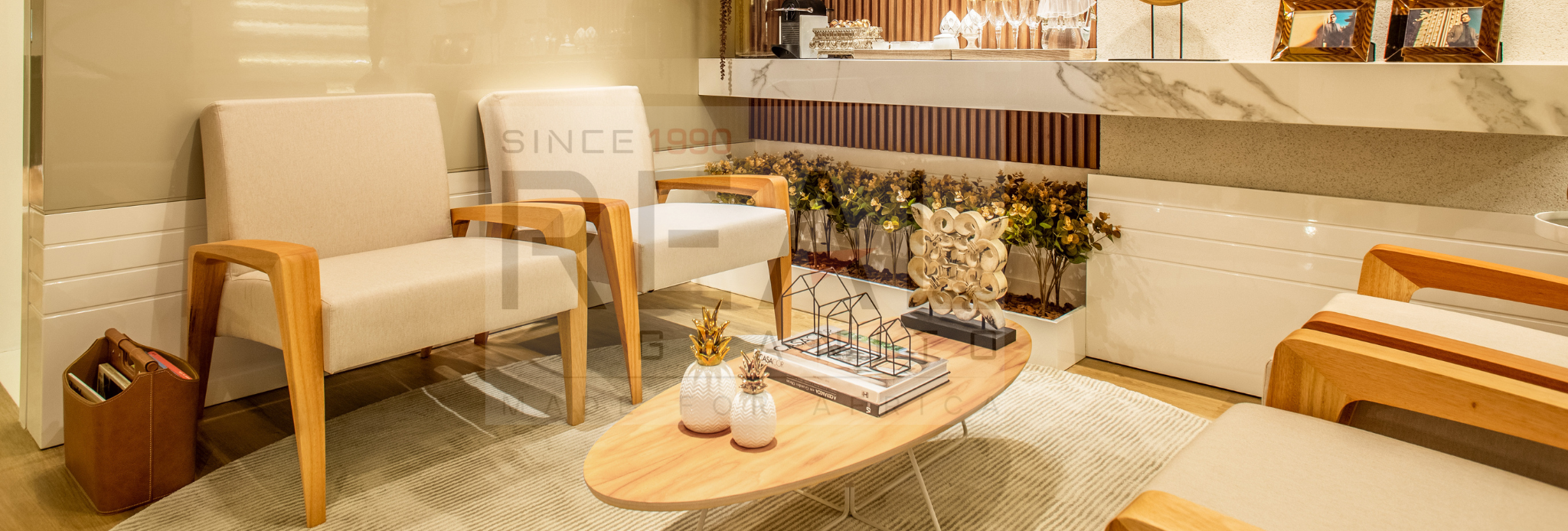
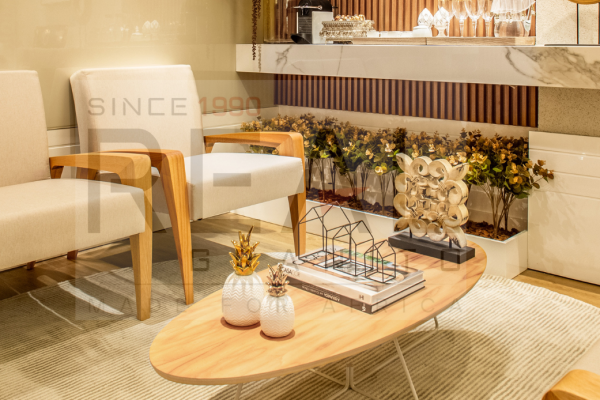
There is additionally a cultural shift emerging. As earnings rise, Africa’s hardworking citizens rethink what “home” means. Kitchens, baths, and living rooms are no longer merely functional areas of the home; they are also style statements. Glossy, matte, and carved finishes are currently in demand, as more homeowners consider tiles as an extension of their character.
A homeowner in Nairobi can browse photographs of European decor and instantly want something comparable. Airlines and international travel increase this exposure, making marble-inspired tiles, wood-grain porcelain, and slip-resistant outdoor tiles extremely attractive.
Take Accra, Ghana. The city was once dominated by plain flooring, but now it is full of expensive apartment buildings that include imported porcelain tiles as a selling factor. In Dar es Salaam, Tanzania, property developers are promoting luxury villas with Italian-style tiles as important differentiators. Consumers are no longer content with “ordinary,” and they prefer products that reflect global trends.
This move reflects global design trends. Marble-look tiles, wood-grain porcelain, and anti-slip outdoor surfaces are popular in Europe and the United States, and African consumers are looking for the same. Social media, global travel, and design TV are changing expectations quicker than ever before.
And yet, with demand rising this sharply, the question becomes: who is meeting it? That leads us to the role of imports versus local production
Imports Still Leading the Way
India, in particular, has established a considerable presence. With clusters like Morbi in Gujarat, Indian manufacturers combine design variation, quality control, and mass production. They also understand export dynamics, providing dependable packaging and logistics geared to international markets. As of 2025, Indian tile exporters are among Africa’s most trusted partners, ranking second only to Italian premium brands in perception but far more affordable in pricing.
Sustainability and Smarter Tiles
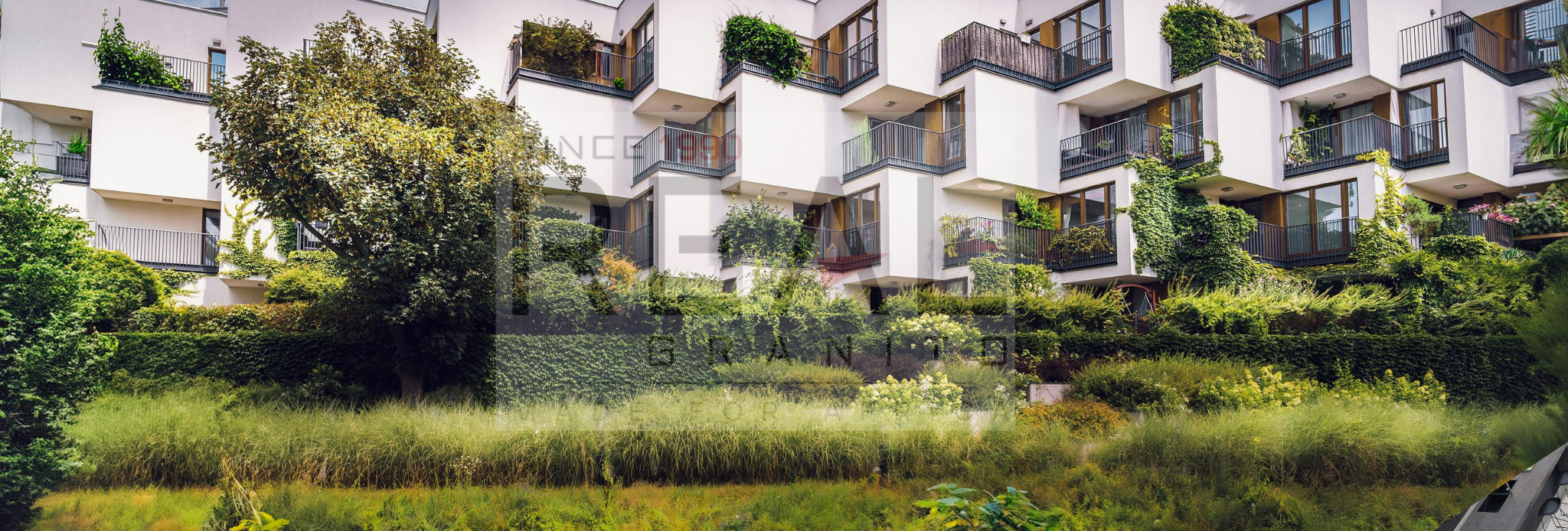
Innovation is also affecting how tiles perform. Anti-slip coatings are necessary for outdoor and hospitality installations. Stain-resistant coatings are useful in high-traffic places such as airports. With digital printing technologies, tiles can now accurately simulate marble, wood, and even fabric textures. This implies that African consumers may get the look of premium natural stone for a fraction of the price and with significantly greater longevity.
And while the future is clearly about smarter and greener tiles, the picture wouldn’t be complete without considering the continent’s regional differences.
Regional Differences
The African tile sector is complex due to its geographical diversity, but it also offers opportunities for exporters who can alter their product mix.
Looking Ahead
Real Granito: Partnering in Africa’s Future


However, we regard our job as more than just a supplier. Real Granito is here to work with Africa’s architects, dealers, and families to create rooms that are both functional and aesthetically pleasing. Every slab, finish, and shipment includes not only surfaces, but also trust, durability, and a shared vision for the future.