
Mapping Demand: Ceramic Tile Segmentation Across Africa
On the international front, the African ceramic tile market is no longer a minor participant. It has become one of the building materials industry’s fastest-growing segments over the past 10 years, attracting the interest of exporters, architects, and manufacturers globally. In addition to growing in size, the industry will also become more sophisticated by 2025. Tiles are at the heart of this story as cities grow, housing complexes proliferate, and lifestyles change.
However, one must just view the continent as a single market in order to truly comprehend the prospects that lie ahead. The history of ceramic tiles in Africa is divided into sections based on product type, application, region, and consumer choice.
Segmentation by Product Type
Ceramic tiles in Africa are generally divided into four main groups, each of which serves a distinct purpose.
Glazed ceramic tiles have become very popular for use on walls, in bathrooms, and in kitchens. They are popular among homeowners who need surfaces that are both functional and fashionable because of their shiny finishes and low care requirements. These tiles frequently end up being the standard option in mass housing developments since they blend price with style.
Porcelain tiles are popular in places where durability is required because of their resilience and minimal water absorption. They are often utilized in areas with heavy traffic, such as retail centres, airports, and outdoor pathways. Particularly, the 600x600mm porcelain tile, which strikes the ideal balance between durability and cost, has become a hit in nations like Kenya and Nigeria.
The preferred option for high-end residential and commercial constructions is quickly evolving into vitrified tiles. They appeal to disposable income and higher-income purchasers who want to upgrade their living areas because of their consistency, robustness, and elegant appearance. Vitrified tiles are becoming more and more common in upscale residences and office buildings in major cities like Johannesburg and Nairobi.
Specialty tiles are another. This category contains marble-effect finishes that evoke European opulence, wood-look tiles that replicate the warmth of timber, and anti-slip tiles for seaside cities. Aspiring homeowners who wish to incorporate international design ideas into their homes without having to pay the exorbitant price of natural stone are particularly fond of them.
Segmentation by Application
Ceramic tiles predominate in residential settings in government-sponsored affordable housing developments in nations like Tanzania and Nigeria. Meanwhile, middle-class homeowners who are more interested in design and are prepared to spend money on aesthetics are becoming more and more drawn to porcelain and glazed vitrified tiles.
Large-format and highly durable tiles are in high demand for commercial applications. Slabs measuring 1200x2400mm or more are being chosen for sleek, seamless installations in hotels in Cape Town, shopping centres in Lagos, and airports in Nairobi. Developers are aware that flooring affects first impressions in addition to being useful.
A practical strategy dominates in public infrastructure. Ceramic tiles are used extensively in government buildings, schools, and hospitals due to their durability, affordability, and ease of cleaning. Tiles provide public contractors and ministries with an economical way to outfit spaces on a large scale without sacrificing durability.
Segmentation by Geography


- East Africa (Kenya, Tanzania, Uganda): Demand here is driven by rapid urbanization and regional trade hubs. Nairobi’s skyline is dotted with cranes, and every new project creates opportunities for tile suppliers. Mid-range porcelain tiles, especially the 600x600mm size, dominate, but developers are experimenting with larger slabs for high-end apartments and offices.
- West Africa (Nigeria, Ghana): Bulk imports fuel the market. Nigeria, with its massive population, is one of Africa’s largest consumers of tiles. The focus is often on affordability, but an emerging luxury segment in Lagos and Abuja is driving interest in marble-effect porcelain tiles and premium vitrified options.
- Southern Africa (South Africa, Zambia): This region is leaning strongly toward luxury. Upscale residences, resorts, and retail spaces favour large-format slabs and textured finishes. Cape Town’s hospitality projects, for example, often feature imported tiles that mirror European style.
- North Africa (Egypt, Morocco): These markets have mature local manufacturing industries, but imports still play an important role, especially for premium finishes. Moroccan architecture, famous for its intricate tile heritage, is now blending tradition with modern, large-format porcelain imports.
Segmentation by Consumer Preference
For many, affordability and functionality are non-negotiable. A family building a home outside Lagos or Kampala is likely to prioritize tiles that can endure heavy use at a reasonable cost. But for a growing aspirational class, tiles are no longer just flooring; they are a statement.
Digital-printed marble tiles, wood-effect porcelain, and slip-resistant outdoor tiles are in high demand among middle-class homeowners who want their interiors to reflect international design standards. In coastal or humid regions like Mombasa or Dar es Salaam, R-rated anti-slip tiles are particularly valued for their safety and durability.
Social media plays a role here as well. Homeowners in Nairobi can scroll through Instagram and see Italian villas with veined marble floors, then turn to local importers to find a porcelain tile that recreates that look. Consumer preference is increasingly global, even if budgets remain local.
Outlook for 2025
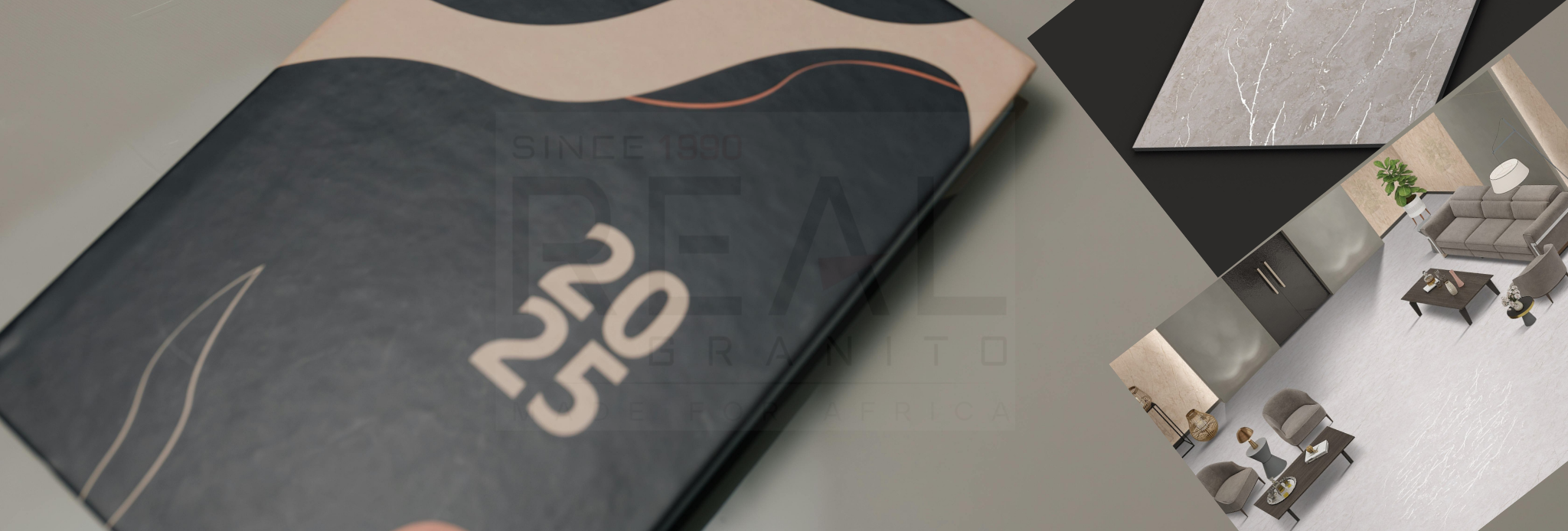
Market analysts expect demand to keep climbing, with some countries projected to grow at rates above 10% annually. Urbanization, government housing programs, and private real estate investment will all contribute. But so too will changing consumer mindsets, which increasingly align with global design trends and higher expectations for quality.
Real Granito: Meeting Africa’s Segmented Needs


As one of India’s leading exporters, Real Granito combines world-class production with reliable logistics and technical support. Our experience in African markets from Nigeria to Tanzania, Kenya to South Africa, has taught us that growth is built on more than supply. It is built on trust, consistency, and the ability to tailor products to local realities.
In 2025 and beyond, Real Granito is committed to being more than a supplier. We are a partner in Africa’s future, delivering tiles that reflect not just function and form, but also the ambition of a continent on the rise.